


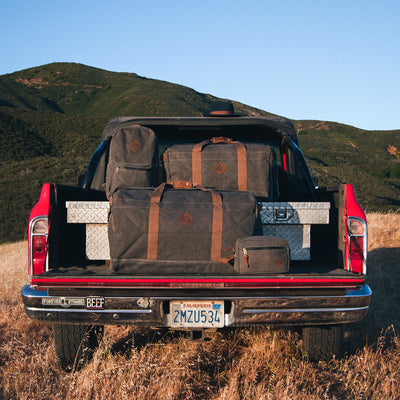


How to Store Odor-Sensitive Items Properly: Tips to Keep Them Fresh and Protected
Some items easily absorb or release odors, making proper storage essential. Whether it's clothing, shoes, sports gear, pet accessories, or other odor-sensitive belongings, the right storage methods can help prevent unpleasant smells, moisture buildup, and damage. With a few simple practices, you can keep your items fresh, clean, and ready to use.
In this guide, we'll explain how to store odor-sensitive items properly and maintain their freshness for the long term.
Why Proper Storage Matters
Improper storage can trap moisture, encourage bacterial growth, and cause odors to linger or spread to other belongings. Storing odor-sensitive items correctly helps:
- Prevent unpleasant odors
- Reduce moisture buildup
- Protect against mold and mildew
- Keep items fresh for longer
- Extend the lifespan of clothing and accessories
- Maintain a clean and organized storage space
Clean Items Before Storing
Never store clothing or gear that is dirty, damp, or sweaty. Even if an item appears clean, invisible sweat, body oils, and bacteria can produce odors over time.
Before storing:
- Wash clothes according to their care instructions.
- Clean shoes and sports equipment.
- Allow everything to dry completely before packing.
Make Sure Items Are Completely Dry
Moisture is one of the biggest causes of unpleasant odors and mold growth.
Before placing items in a closet, storage box, or bag:
- Air dry them thoroughly.
- Check pockets and seams for trapped moisture.
- Avoid storing damp towels or workout clothes.
Use Breathable Storage Bags or Containers
Choose storage solutions that allow airflow while protecting your belongings from dust and dirt.
Good options include:
- Cotton garment bags
- Fabric storage bins
- Breathable shoe bags
- Ventilated storage containers
Avoid sealing damp items in airtight plastic bags, as they can trap moisture and create unpleasant odors.
Store in a Cool, Dry Place
Choose a storage area that is:
- Cool
- Dry
- Well-ventilated
- Away from direct sunlight
Avoid storing odor-sensitive items in damp basements, humid garages, or areas with poor air circulation.
Use Odor Absorbers
Natural odor absorbers help keep storage spaces fresh.
Popular options include:
- Baking soda
- Activated charcoal
- Cedar blocks
- Silica gel packets
Replace these products regularly to maintain their effectiveness.
Avoid Overpacking
Overcrowded closets and storage bins restrict airflow, allowing moisture and odors to build up.
Leave enough space between items so air can circulate freely and fabrics can breathe.
Separate Clean and Used Items
Never store freshly cleaned clothes alongside worn clothing, damp shoes, or used gym gear. This can transfer odors and reduce the freshness of clean items.
Keep separate storage areas or bags for clean and used belongings.
Store Shoes Properly
Shoes are one of the most common sources of lingering odors.
To keep them fresh:
- Clean shoes before storing.
- Allow them to air out after each use.
- Use shoe trees or crumpled paper to maintain their shape.
- Place odor absorbers inside if needed.
Refresh Stored Items Regularly
Even properly stored items benefit from occasional attention.
Every few months:
- Air out clothing and fabrics.
- Wipe storage shelves.
- Replace odor absorbers.
- Check for signs of moisture or mold.
Use Professional Cleaning for Stubborn Odors
If odors persist despite proper storage, professional cleaning may be the best solution. Laundry and dry cleaning services use specialized cleaning methods to remove deep-seated odors while protecting delicate fabrics.
Common Storage Mistakes to Avoid
Avoid these common mistakes:
- Storing damp items
- Using dirty storage containers
- Overpacking closets or boxes
- Mixing clean and used clothing
- Ignoring humidity levels
-
Forgetting to clean items before long-term storage
Conclusion
Proper storage plays a key role in preventing unpleasant odors and protecting your belongings. By cleaning items before storing them, ensuring they are completely dry, choosing breathable storage solutions, and maintaining a cool, dry environment, you can keep odor-sensitive items fresh and in excellent condition. A little extra care today can save you from unwanted smells and extend the life of your favorite belongings.
FAQs
1. Why do stored items develop unpleasant odors?
Odors usually develop because of trapped moisture, bacteria, poor ventilation, or storing items before they are completely clean and dry.
2. Are airtight containers good for odor-sensitive items?
Airtight containers are suitable only for completely clean and dry items. Damp items should always be stored in breathable containers to prevent mold and odor buildup.
3. What is the best natural odor absorber?
Activated charcoal, baking soda, and cedar blocks are all excellent natural options for absorbing odors and moisture.
4. How often should I air out stored clothing?
It's a good idea to air out stored clothing every few months, especially if it is stored for long periods.
5. Can professional cleaning remove stubborn odors?
Yes. Professional laundry and dry cleaning services can effectively remove deep-set odors from clothing, curtains, bedding, and other fabrics while preserving their quality.